IPTV vs cable is the comparison every Canadian household eventually makes, usually the month the cable bill crosses a number that feels absurd. I have set up both for enough families to know the honest answer is not "IPTV wins"; it is "IPTV wins for most households, loses for a few, and the difference is almost entirely about your internet connection and your tolerance for a ten-minute setup." Disclosure before anything else: this article is published by TVZon IPTV, which sells IPTV subscriptions. Read it as a seller's view, then check it against the trial rather than taking my word.
What the two actually are
Cable television sends every channel down a coaxial line into a rented receiver, which tunes to the one you want. Satellite does the same via a dish. IPTV, Internet Protocol Television, sends only the channel you are watching as a data stream over your existing internet connection, to an app on a device you already own. The same technology powers the TV products of Canada's major telecoms; the difference with a provider like TVZon IPTV is the hardware (none), the contract (fixed term, no renewal) and the channel regions (worldwide rather than a Canadian package).
Cost: where the money goes
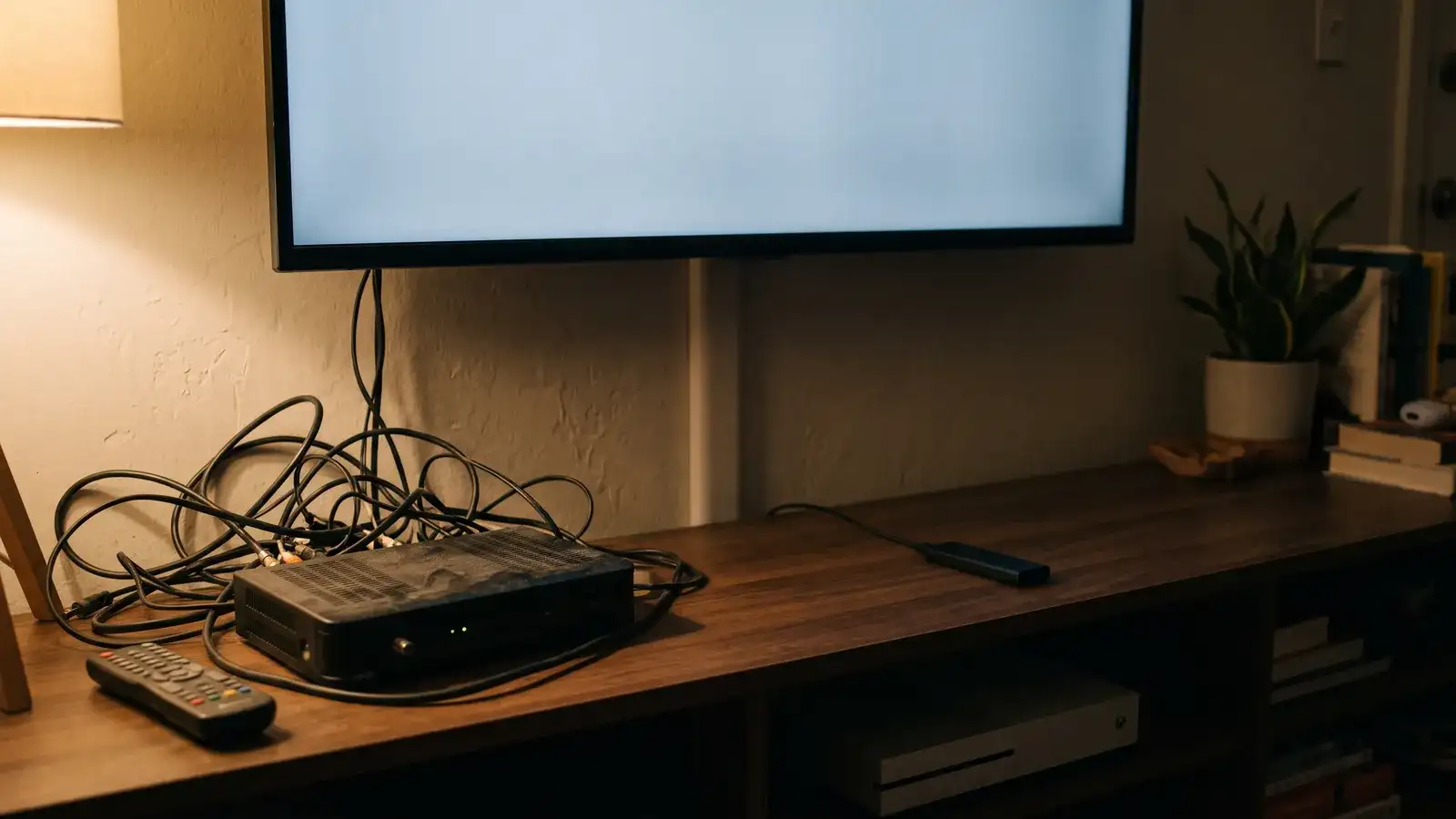
A cable bill has four parts most people never separate: the package, the receiver rental per TV, the add-on tiers for sport or international channels, and the fees and taxes on top. A mid-tier package with two receivers and one add-on in most Canadian cities lands well into three figures a month before tax, and the promotional price that made it look reasonable expires after a year.
IPTV has one part. With TVZon IPTV, one screen for a year is $79 CAD, tax included, paid once. Three screens for a year, the equivalent of three receivers, is $169 CAD. There is no equipment rental because the equipment is your Smart TV or the streaming stick already behind it. The full table is on the IPTV Canada price page.
The fair counterpoint: IPTV needs a decent internet connection, and if you only kept a fast plan for television, part of that bill belongs in the comparison. Most Canadian homes already pay for a connection that handles Full HD on one or two screens comfortably, so for most the marginal cost is zero; for a rural home on a slow or capped connection, it is not.
Is IPTV better than cable? Point by point
| Feature | IPTV (TVZon IPTV) | Cable |
|---|
| Monthly cost, one TV | Paid once: $79 CAD for 12 months | Package plus rental plus fees, monthly |
| Extra TVs | Multi-screen plan, no hardware | A rented receiver per TV |
| Contract | Fixed term, ends on its own, no automatic renewal | 1-2 years, early-exit fees, auto-renews |
| Channel regions | Worldwide, incl. French-language TV | Canadian and US packages; international add-ons |
| On demand | New movies and series daily, included | Limited, often pay-per-view |
| Picture | HD, Full HD, 4K where the source offers it | HD; 4K only on specific boxes and channels |
| Reliability | Depends on your internet connection | Depends on the cable network; very stable |
| Recording | In apps that support it (e.g. TiviMate Premium) | PVR receiver, rented |
| Setup | Ten minutes with an app and a login | Technician visit or self-install kit |
| Try first | 24-hour free trial, no payment details | Rarely |
Where cable wins, it wins clearly: reliability independent of your home network, and zero setup effort. If your internet drops every evening or your household cannot face installing an app, cable is the better product for you, and I say that as someone selling the alternative.
Channels and regions
Cable packages are built for a Canadian audience and priced by tier. If you want television in Arabic, Portuguese, Tagalog or Punjabi, or French-language channels outside Quebec, each is an add-on with its own line on the bill. IPTV's structure is the reverse: worldwide channels are the base, including French-language TV, and the on-demand library sits alongside. We describe content by category, live sports, movies, series, kids, news and documentaries, rather than publishing channel lists, because lineups change and the trial shows you the current one on your own screen.
Hardware and the living room
Cable means a receiver per TV, a remote per receiver, and HDMI inputs committed to boxes you rent. IPTV runs inside the TV on a Samsung, LG or Android set, or on a Fire TV Stick, Apple TV or Roku you already own. The how to set up IPTV hub has numbered steps for twelve devices. A household with an older TV and no stick needs one streaming device, bought once; see our note on whether you need an IPTV box.
Reliability: the honest section
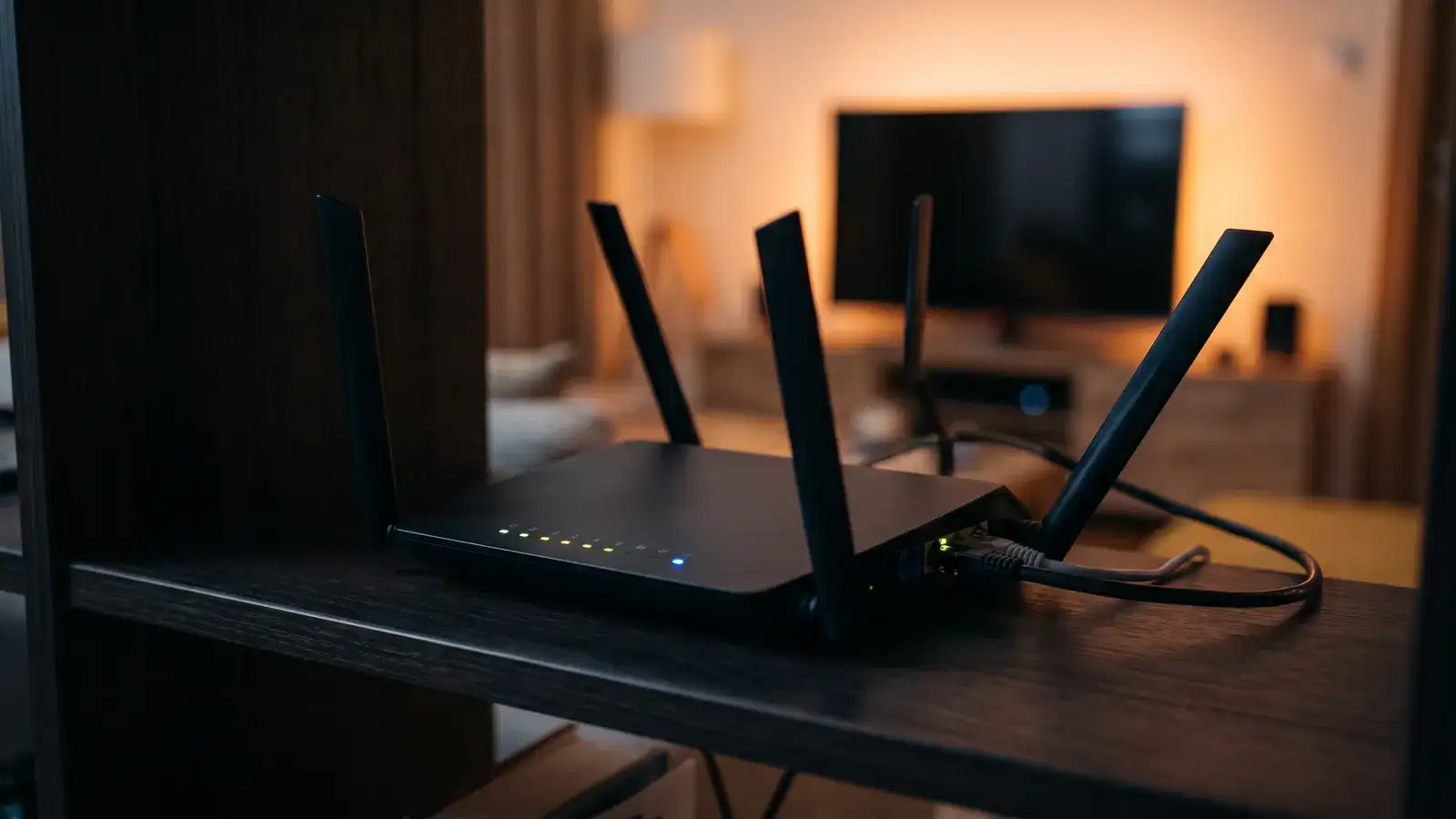
Cable rarely fails. IPTV fails whenever your internet does, and buffers when the Wi-Fi behind the TV is weak, when a console is downloading a game, or when a connection is too slow for 4K. All of these are fixable, usually with a network cable or a mesh point, and our IPTV not working checklist walks through them. But they are real, and a household that wants television to simply work with no thought should weigh this. The honest test is the 24-hour trial at prime time, on the TV you will actually use.
IPTV or cable in Canada: who should switch
The "IPTV or cable Canada" question has a different answer for every household, but the pattern is consistent. Switch to IPTV if:
- Your cable bill has crossed into three figures and you watch a fraction of the package.
- Your household is bilingual or multilingual and pays for international add-ons.
- You have two or more TVs and are renting a receiver for each.
- Your internet connection is stable and the TV can be wired or sits near the router.
Stay with cable if:
- Your internet drops regularly or is capped at a low monthly data allowance.
- Nobody in the house will install an app and type a login, ever.
- You rely on a specific cable feature, like whole-home PVR, that you are not willing to replace.
A middle path exists: keep the cheapest internet-only plan from your cable company, drop the TV package, and run IPTV on top. For most of the households I have set up, that is where the saving comes from.
How to test the switch without committing
Request the 24-hour free trial, install an app on the living-room TV, and watch between 7 pm and 11 pm. Check the categories you care about, change channels thirty times, and leave one programme running to the end. If it holds, a 1-month plan at $19 CAD is a low-risk second step before a year. If it does not hold on a wired connection, you have your answer for a day's effort and no money.
IPTV vs cable: frequently asked questions
Is IPTV cheaper than cable in Canada?
For most households, substantially: one screen for a year with TVZon IPTV is $79 CAD, tax included, against a monthly cable bill with rental and fees. The exception is a home that would need to upgrade a slow internet plan solely for television.
Is IPTV better than cable for picture quality?
Comparable. Both deliver HD and Full HD; IPTV offers 4K where the source provides it, cable only on specific receivers and channels. Neither offers 4K on everything.
Can I keep cable internet and drop cable TV?
Yes, and it is the most common arrangement. Keep an internet-only plan and run IPTV over it.
Does IPTV need a special box?
No. A Smart TV or any streaming stick runs it. A box is only worth buying for an old TV with no apps.